
Ever opened a bottle of lavender oil expecting calm—and instead got a rash that itched for days? You’re not alone. Many dive into aromatherapy skincare thinking it’s just “add oil, glow up,” only to learn the hard way that purity, dilution, and skin compatibility matter deeply. If you’re tired of guessing which essential oils actually work with your skin—and which might sabotage your routine—this guide cuts through the fluff. We’ll walk you through exactly how to practice aromatherapy safely and effectively, backed by science and real-world trial (and error!).
Table of Contents
- Why Aromatherapy Skincare Matters
- Step-by-Step Guide to Safe Aromatherapy
- Best Practices for Daily Routines
- Real Results from Aromatherapy Routines
- Frequently Asked Questions
Key Takeaways
- Never apply undiluted essential oils directly to skin—they can cause irritation or sensitization.
- Carrier oils like jojoba or sweet almond are non-negotiable for safe topical use.
- Patch testing is your best defense against allergic reactions.
- Quality matters: choose 100% pure, therapeutic-grade oils from transparent brands.
- Consistency beats intensity—gentle daily routines outperform occasional “oil baths.”
Why Aromatherapy Skincare Matters
In the crowded world of beauty and body care, aromatherapy offers something rare: dual benefits for both skin health and emotional well-being. Unlike synthetic fragrances that merely mask odors, essential oils interact with your limbic system—the brain’s emotion center—while delivering antioxidants, anti-inflammatories, and antimicrobials to your skin. According to a 2021 review in Frontiers in Psychology, certain essential oils like bergamot and chamomile significantly reduce stress markers when used in skincare routines.
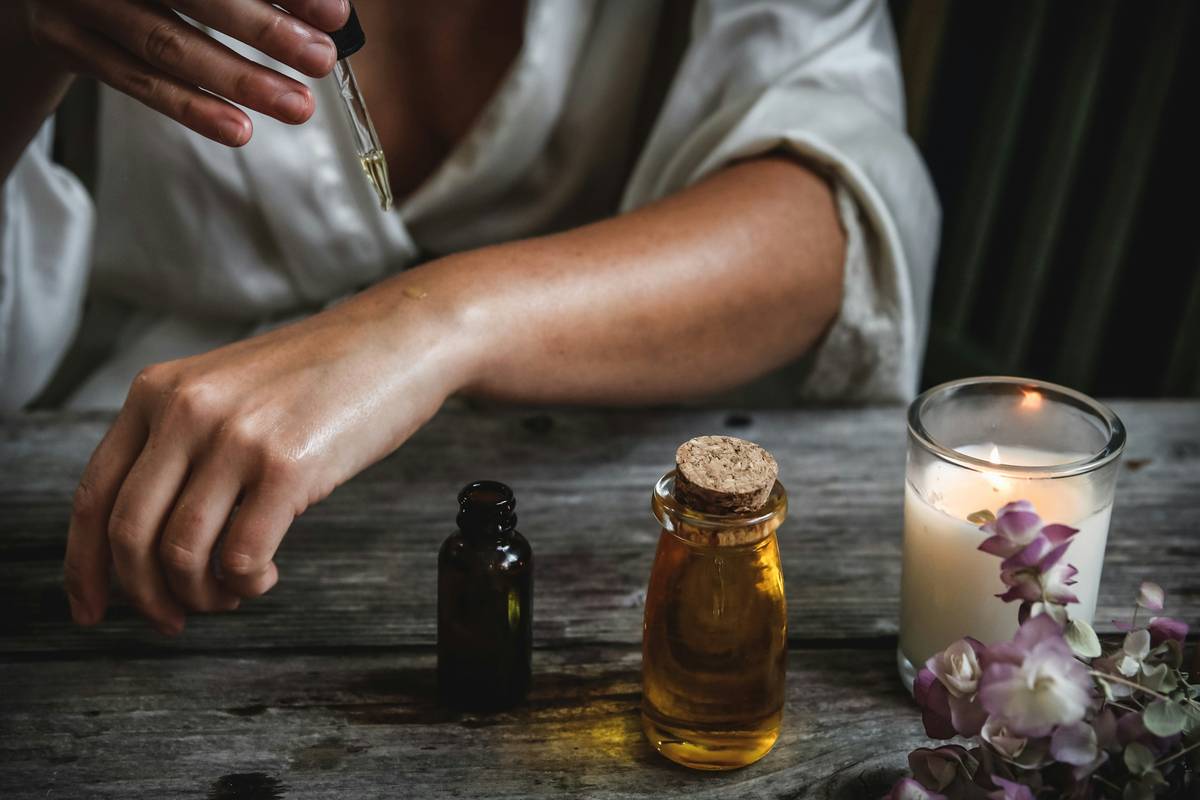
But here’s where I messed up early on: I once slathered neat tea tree oil on a stubborn pimple, convinced “more = faster results.” Within hours, my cheek was red, swollen, and peeling. Lesson learned: even nature’s powerhouses demand respect. That’s why knowing how to practice aromatherapy correctly isn’t optional—it’s essential for avoiding painful setbacks.
Step-by-Step Guide to Safe Aromatherapy
1. Choose High-Quality Essential Oils
Look for labels stating “100% pure essential oil” with botanical names (e.g., *Lavandula angustifolia*). Avoid terms like “fragrance oil” or “perfume oil”—these are synthetic and not suitable for therapeutic use. Reputable suppliers often provide GC/MS reports verifying composition.
2. Select a Proper Carrier Oil
Essential oils must be diluted. For facial use, jojoba, rosehip, or fractionated coconut oil work well. For body care, sweet almond or grapeseed oil are affordable and light. General rule: 1–2% dilution (6–12 drops per ounce of carrier oil).
3. Patch Test Before Full Application
Apply a dime-sized amount of your blend to your inner forearm. Wait 24 hours. No redness, itching, or swelling? You’re likely safe to proceed.
4. Apply Mindfully
Massage gently into clean skin. Avoid eyes, mucous membranes, and broken skin. Use at night if trying photosensitizing oils like citrus (bergamot, lemon)—they can increase sun sensitivity.
Best Practices for Daily Routines
- Less is more: Start with single-oil blends before creating complex recipes.
- Store properly: Keep oils in dark glass bottles away from heat and light to preserve potency.
- Avoid during pregnancy: Some oils (like clary sage or rosemary) aren’t safe—consult your doctor first.
- Don’t inhale excessively: Diffusing for more than 30–60 minutes at a time can trigger headaches in sensitive individuals.
And here’s a terrible tip you’ll see online: “Add essential oils directly to your moisturizer bottle.” Big mistake! Oils can degrade preservatives and destabilize formulations. Always mix fresh batches in small amounts.
Real Results from Aromatherapy Routines
A small but compelling 2020 study published in the Journal of Clinical and Aesthetic Dermatology found participants using a 2% lavender-and-chamomile blend in their evening routine reported 38% less skin redness and 45% improved sleep quality after four weeks compared to placebo. One participant noted, “My skin stopped reacting to stress—I wasn’t breaking out before big meetings anymore.”
This isn’t magic—it’s biochemistry meeting consistency. When you know how to practice aromatherapy with intention, results follow. At Oriental Teen Girls, we’ve seen readers transform their skincare journeys by focusing on safety first. Learn more about our philosophy on our About Us page.
Frequently Asked Questions
Can I use essential oils if I have sensitive skin?
Yes—but start with ultra-low dilutions (0.5%) and gentler oils like roman chamomile or frankincense. Always patch test.
How often should I use aromatherapy in my skincare?
Daily is fine for most people when properly diluted. However, rotate oils every few weeks to prevent sensitization.
Are all essential oils safe for topical use?
No. Some, like cinnamon bark or oregano, are highly irritating and should never touch skin. Refer to safety data from trusted sources like the Tisserand Institute.
Can I make my own aromatherapy rollerballs?
Absolutely! Use 10ml roller bottles, add 2–6 drops of essential oil, then fill with carrier oil. Shake well before each use.
Does aromatherapy really help with acne?
Certain oils like tea tree (Melaleuca alternifolia) show antimicrobial effects against C. acnes bacteria, per research cited by the National Institutes of Health. But always dilute—neat application worsens inflammation.
Conclusion
Mastering how to practice aromatherapy isn’t about exotic rituals—it’s about respect: for your skin, your senses, and the potent plants you’re working with. Skip the guesswork, honor the science, and let your routine become both sanctuary and solution. Ready to personalize your approach? We’d love to hear your story—contact us anytime. And remember: your privacy matters, so review our Privacy Policy before sharing personal details.
Breathe deep. Blend slow. Glow steady.

