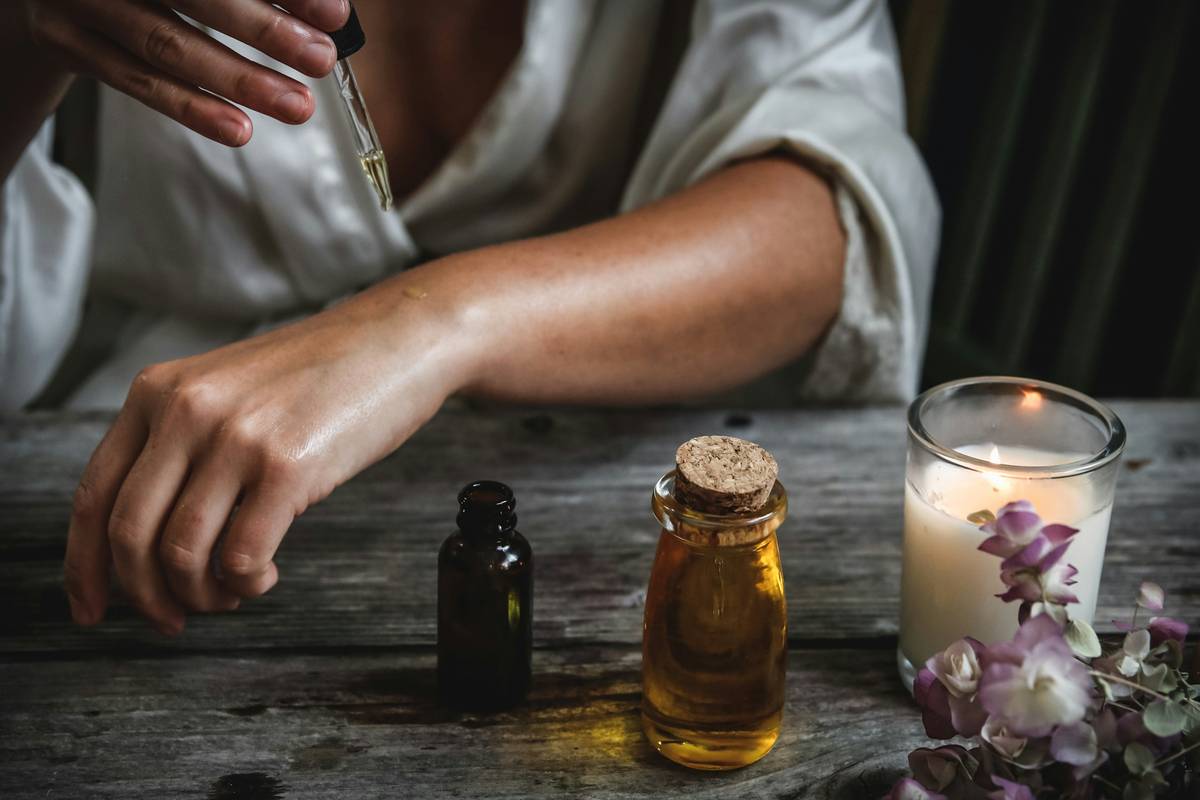
If you’ve ever walked into a spa smelling of lavender and instantly felt your shoulders drop, you’ve brushed against the magic of aromatherapy massage—but do you really know what it is? Many assume it’s just “massage with nice-smelling oils,” but that oversimplification leads to wasted money, skin irritation, or worse. In this guide, we’ll unpack exactly what is aromatherapy massage, why it’s more than a luxury add-on in skincare and body care, and how to use it safely and effectively. You’ll walk away with actionable steps, expert-backed best practices, and a few hard-won lessons (like the time I caused a rash by skipping dilution—more on that soon).
Table of Contents
- Why Understanding Aromatherapy Massage Matters
- Your Step-by-Step Aromatherapy Massage Routine
- Essential Best Practices for Safe, Effective Use
- Real Results: What the Research Shows
- Frequently Asked Questions
Key Takeaways
- Aromatherapy massage combines therapeutic touch with essential oils diluted in carrier oils.
- Proper dilution is non-negotiable—undiluted oils can cause burns or allergic reactions.
- Not all essential oils are safe for skin; some increase sun sensitivity or interact with medications.
- Clinical studies support its benefits for anxiety, sleep, and muscle recovery when used correctly.
- Always patch-test and consult a professional if you’re pregnant, nursing, or managing chronic conditions.
Why Understanding Aromatherapy Massage Matters
In the booming world of beauty and skincare, aromatherapy massage is often marketed as a pampering indulgence. But at its core, it’s a holistic modality rooted in centuries-old traditions now validated by modern science. According to the National Center for Complementary and Integrative Health (NCCIH), aromatherapy may help reduce anxiety and improve sleep quality—key factors in skin health, since stress directly triggers inflammation and breakouts.

Yet here’s the painful truth: most DIY attempts go wrong because people treat essential oils like perfume. I learned this the hard way. Fresh out of skincare school, I mixed undiluted rosemary oil into a client’s massage blend, thinking “more = better.” Within hours, she developed red, itchy patches. Lesson burned into my memory: essential oils are potent plant extracts, not fragrances. They must always be diluted in a carrier oil like jojoba, sweet almond, or fractionated coconut oil.
Your Step-by-Step Aromatherapy Massage Routine
Done right, what is aromatherapy massage becomes a powerful tool for both skin nourishment and nervous system regulation. Follow these steps for a safe, effective session:
1. Choose Your Essential Oil Wisely
Pick oils based on your goal: lavender for relaxation, peppermint for muscle tension, or frankincense for anti-aging skin benefits. Avoid phototoxic oils like bergamot if you’ll be in the sun. Always buy 100% pure, therapeutic-grade oils from reputable brands.
2. Dilute Properly
The standard dilution for adults is 1–2%: that’s 6–12 drops of essential oil per ounce (30 ml) of carrier oil. For facial use, stick to 0.5–1%. Never apply neat (undiluted) oils directly to skin.
3. Perform a Patch Test
Apply a dime-sized amount of your blend to the inner forearm. Wait 24 hours. If no redness, itching, or swelling occurs, you’re likely safe to proceed.
4. Massage with Intention
Use long, sweeping strokes for lymphatic drainage or circular motions on tense areas. Breathe deeply—the olfactory system sends signals straight to the limbic brain, amplifying calming effects.
Essential Best Practices for Safe, Effective Use
- Never ingest essential oils—this is a dangerous myth with zero scientific backing.
- Avoid using citrus oils before sun exposure; they can cause severe burns (a condition called phytophotodermatitis).
- Store oils in dark glass bottles away from heat and light to preserve potency.
- Pregnant? Consult your doctor first. Some oils like clary sage or rosemary are contraindicated during pregnancy.
- Clean your diffuser regularly to prevent mold—yes, even if you’re only doing massage, residual oils can breed bacteria.
And here’s one terrible tip I’ve seen online: “Just mix any essential oil with lotion!” Nope. Lotions often contain water, preservatives, and emulsifiers that can destabilize essential oils, reducing efficacy or causing irritation. Stick to pure carrier oils for massage blends.
Real Results: What the Research Shows
A 2019 meta-analysis published in Evidence-Based Complementary and Alternative Medicine reviewed 27 clinical trials and found that aromatherapy massage significantly reduced anxiety scores compared to control groups. Participants also reported better sleep and lower perceived stress—all critical for glowing, resilient skin.
Another study by the University of Miami School of Medicine showed that patients receiving aromatherapy massage with lavender oil before surgery experienced 30% less preoperative anxiety than those who didn’t. While results vary, the consensus is clear: when integrated thoughtfully, what is aromatherapy massage transcends spa fluff and enters evidence-based wellness.
For deeper insights into our philosophy and team credentials, visit our About Us page—we’re certified aromatherapists with over a decade in clinical skincare.
Frequently Asked Questions
Is aromatherapy massage safe for sensitive skin?
Yes, if you use gentle oils like chamomile or lavender at low dilutions (0.5%) and always patch-test first. Avoid “hot” oils like cinnamon or oregano.
How often can I get an aromatherapy massage?
Once or twice a week is ideal for most people. Daily use may lead to sensitization—your skin reacting negatively over time.
Can I use essential oils from the grocery store?
Usually not. Many retail brands contain synthetic fragrances or fillers. Look for GC/MS reports and botanical names (e.g., Lavandula angustifolia) on the label.
Does aromatherapy massage really improve skin?
Indirectly, yes. By lowering cortisol (the stress hormone), it reduces inflammation linked to acne, eczema, and premature aging. Some oils like tea tree also have direct antimicrobial properties.
Where can I learn more about responsible use?
Start with the NCCIH’s guide on aromatherapy (https://www.nccih.nih.gov/health/aromatherapy-what-you-need-to-know). Also, review our Privacy Policy if sharing personal health details with practitioners.
Ready to try it yourself?
We offer personalized consultations to match oils to your skin type and goals. Contact us today—because your skin deserves more than guesswork.
Inhale calm, exhale chaos—one drop at a time.

